
Bonnes pratiques pour l’optimisation du parcours patient au CHU de Limoges
Avec le Dr Thomas Egenod, pneumologue et oncologue thoracique
Un nombre croissant d’essais cliniques montre que l’Activité Physique Adaptée (APA), encadrée par des professionnels formés et pratiquée de manière régulière, constitue aujourd’hui un soin de support reconnu en oncologie.1 Intégrée au parcours de soins, elle s’inscrit dans une approche globale et personnalisée de la prise en charge des patients atteints de cancer.
En oncologie, l’APA contribue notamment à réduire les effets indésirables liés aux traitements, tels que la fatigue, les nausées ou la perte de masse musculaire, tout en favorisant le maintien des capacités fonctionnelles et de la qualité de vie2. Au delà de ces bénéfices cliniques, plusieurs études ont également mis en évidence une diminution du risque de récidive et de mortalité, notamment dans certains cancers comme le cancer du sein.3-4
Plus récemment, l’APA a suscité un fort intérêt avec les résultats de l’essai de phase III CHALLENGE (CO.21), présentés à l’ASCO 2025 5. Mené chez des patients atteints de cancer du côlon de stade II–III, cet essai a montré qu’un programme structuré d’exercice physique sur trois ans était associé à une réduction significative du risque de décès (HR 0,63) ainsi qu’à une amélioration de la survie globale à huit ans (90,3 % vs 83,2 %), confirmant l’impact potentiel de l’APA sur les résultats oncologiques à long terme.
Les effets bénéfiques de l’APA reposent sur plusieurs mécanismes biologiques complémentaires. L’activité physique exerce notamment un rôle régulateur sur le système immunitaire, en agissant sur le microenvironnement tumoral. Par le mouvement, l’APA est susceptible d’influencer l’équilibre entre les mécanismes inhibiteurs et activateurs de la réponse immunitaire antitumorale, contribuant ainsi à optimiser l’efficacité des traitements, en particulier en immuno-oncologie.6-7
Dans les cancers bronchiques non à petites cellules (CBNPC), les stratégies thérapeutiques actuelles, reposant sur des associations de traitements systémiques innovants, trouvent un complément pertinent dans l’activité physique adaptée. L’intégration de l’APA dans la prise en charge est associée à une amélioration de la qualité de vie, du sommeil et de la condition cardiorespiratoire, tout en contribuant à réduire la fatigue, l’anxiété et les symptômes dépressifs chez ces patients.7
Parmi les travaux de référence, une revue Cochrane publiée en 2018, incluant six essais contrôlés randomisés menés chez 221 patients atteints d’un cancer du poumon avancé, a confirmé la faisabilité, la sécurité et les bénéfices fonctionnels de programmes d’activité physique encadrée dans cette population.8
Enfin, un essai clinique contrôlé et randomisé actuellement en cours (NCT04263467) vise à évaluer si un entraînement physique d’intensité modérée à élevée est capable de mobiliser et d’activer le système immunitaire, et ainsi d’améliorer l’efficacité d’une immunothérapie associée à la chimiothérapie chez 70 patients atteints de CBNPC. Les résultats de cette étude sont attendus et devraient apporter des données complémentaires sur la place de l’APA en onco-immunologie.
CAMI Sport & Cancer est une association à but non lucratif reconnue d’intérêt général, spécialisée dans la conception et la mise en œuvre de programmes d’activité physique adaptée à visée thérapeutique en cancérologie. Elle accompagne les patients atteints de cancer quels que soient leur âge, leur genre, leur condition sociale, la localisation ou le stade de leur cancer.
Encadrés par des praticiens en thérapie sportive spécifiquement formés, les programmes proposés reposent sur des séances hebdomadaires personnalisées. Leur objectif est triple : améliorer la qualité de vie, atténuer les effets secondaires des traitements (fatigue, nausées…) et réduire les risques de récidive.
La vidéo associée propose un éclairage d’experts sur ces données émergentes, l’intérêt de l’APA dans la pratique clinique des cancers bronchiques et les perspectives d’intégration structurée de l’activité physique adaptée dans les parcours de soins au sein du Pôle Thorax du service du Pr Greillier, à l’APHM.
Pour intégrer ce type de programme dans le parcours de soins d’un patient, contactez directement l’association :
En complément, la page Mon Cancer consacrée aux bienfaits de l’activité physique pendant et après un cancer offre des repères concrets pour une reprise adaptée et sécurisée. Partagez ce lien à vos patients.
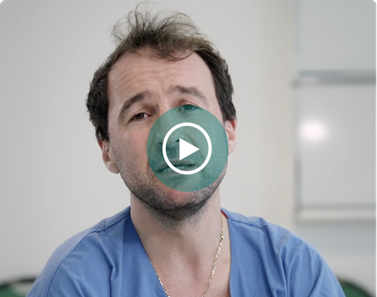
Avec le Dr Thomas Egenod, pneumologue et oncologue thoracique
Véritable complément à la consultation médicale qui permet aux patients de gagner en autonomie entre 2 visites

Avec le Dr Didier Debieuvre, onco-pneumologue et Mme Sabine Kamiski, infirmière en pratique avancée
MSD Connect est un portail spécialement conçu pour les professionnels de santé en France. Vous aurez accès à des informations fiables sur les produits MSD, des documents spécialisés dans les domaines thérapeutiques, ainsi qu’une multitude de ressources professionnelles. Pour continuer, veuillez confirmer votre statut professionnel :